
2026 is the year of research!
In 2025, I complained a lot about how my friends just kept getting their funding cut, or had a hard time getting funding, for ideas that would advance our understanding of pain and fertility. So 2026 is the year I stop complaining and we do something about it.
JFA is going to start the year off right and partner with really cool people who are trying to figure out the WHY in the fields we are most passionate about. I dabbled in research in college and grad school, but now in addition to great patient care, my goal is to learn more about how we can support the research community, both public and private.
So here goes - it starts with us! If you’d like to get involved too, please consider:
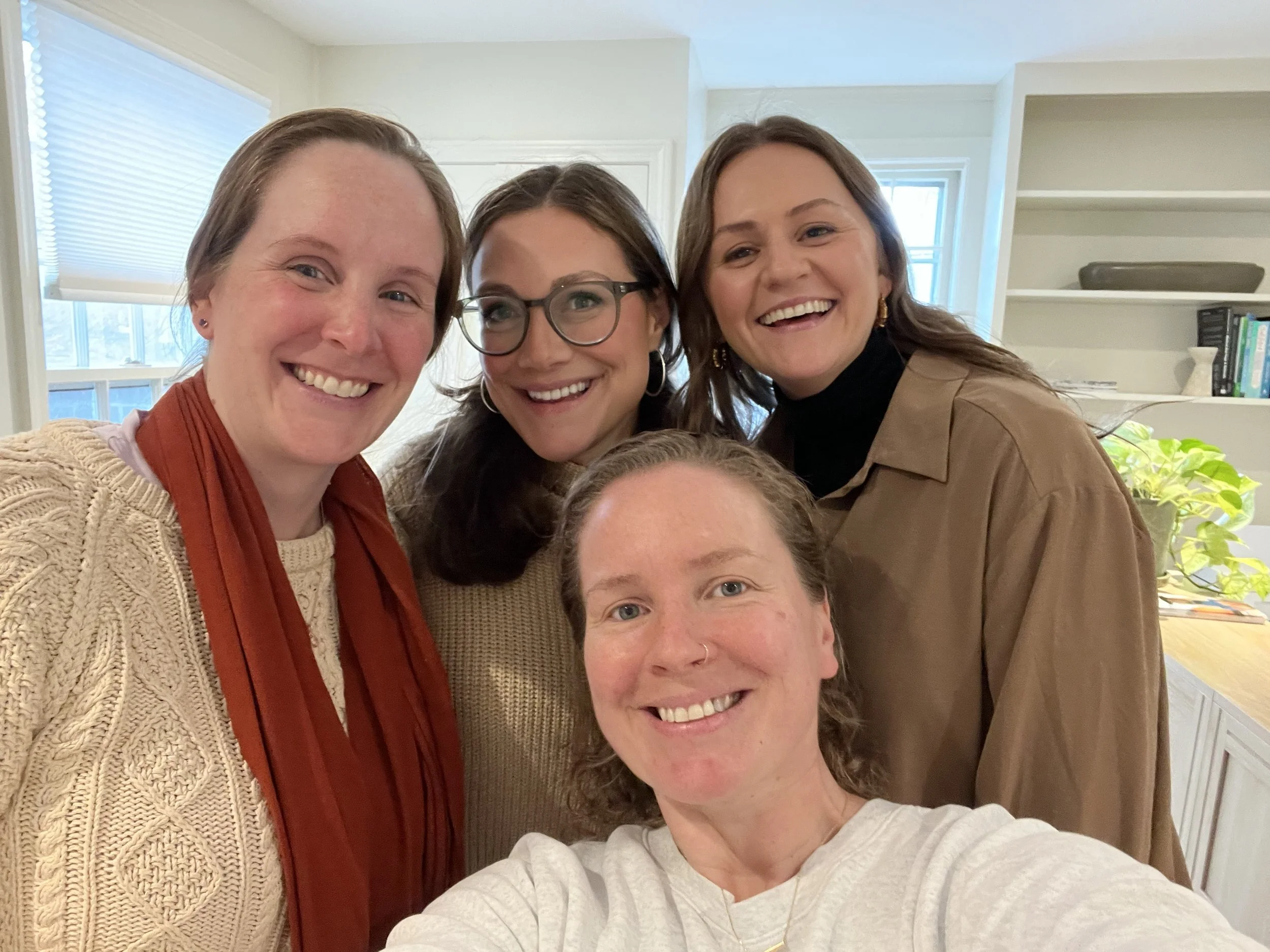
Fertility - JFA is partnering with a women-led startup building a fertility support program centered on nutrition and lifestyle. The founders are looking to better understand the real challenges people face during their fertility journey to help shape this program.
Survey responders will be entered into a raffle to win a free cosmetic acupuncture session or a $50 dollar gift card to a local restaurant.More to come on this partnership in the next few months!
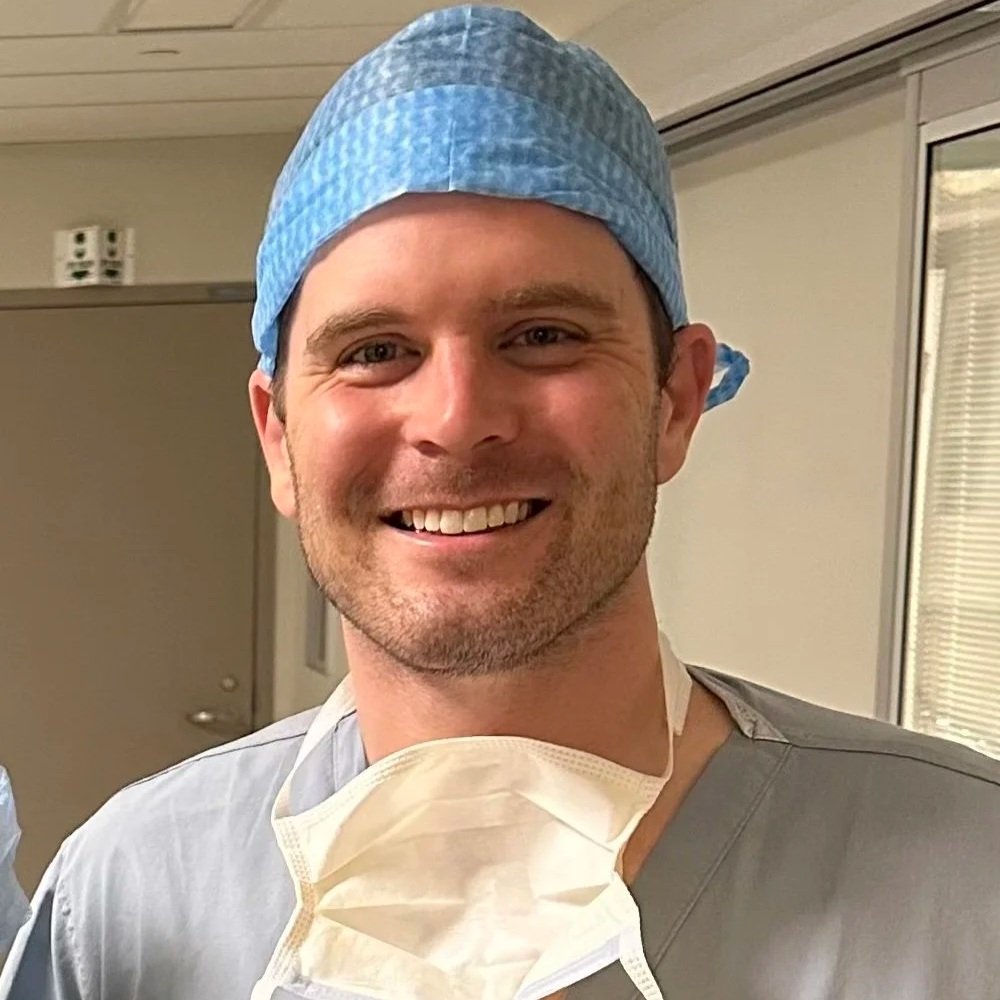
2. Pain - Come listen online to my big bro talk about his research in nociception (aka pain), gene therapies to limit chronic pain development, and cancers involving the peripheral nervous system.
February 10, 2026 on your lunch break at 12, noon!. Register here: https://forms.gle/Xo88MFSyc1Lvzrbp9
Ben Johnston MD PhD
Ben grew up in Hingham, MA, completed his PhD at UT Arlington & UT Southwestern Medical Center, and MD at Brown University. He completed his neurosurgical residency training at the Brigham & Women’s Hospital – Boston Children's Hospital – Harvard Medical School program. He completed an enfolded focused clinical rotation in peripheral nerve and reconstructive neurosurgery at Massachusetts General Hospital, and an enfolded fellowship in complex spine surgery at Brigham and Women’s Hospital.
Ben maintains a basic science lab and is focused on nociception, gene therapies to limit chronic pain development, and cancers involving the peripheral nervous system.
Ben would like to engage the philanthropic community to support research at Mass General Brigham and will demonstrate the exciting work that could use support!
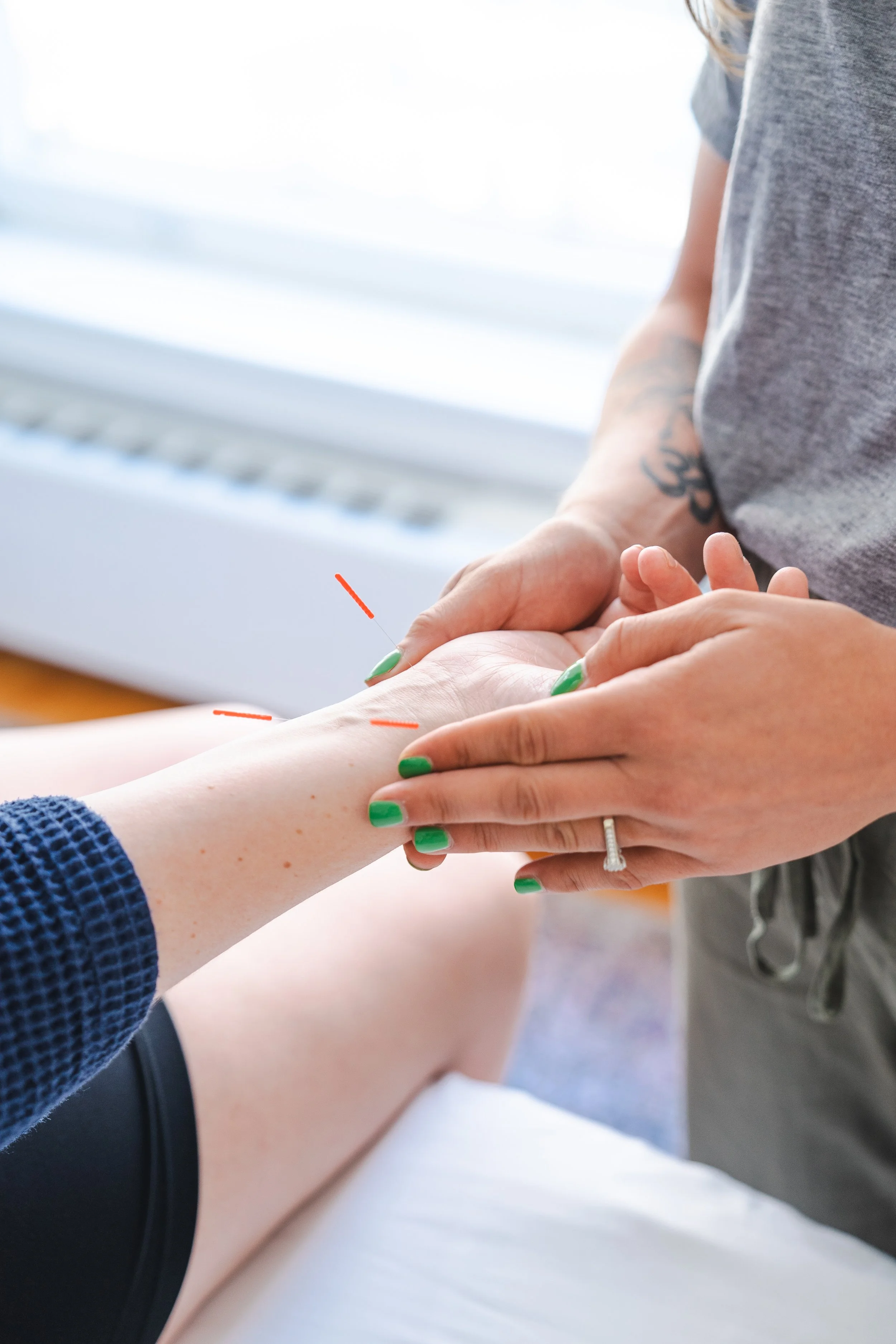
3. Acupuncture: We have high-certainty evidence to show acupuncture can help with:
chronic pain
low-back pain,
knee osteoarthritis,
postoperative nausea and vomiting (PONV),
migraine,
tension-type headache,
cancer-related fatigue,
menopausal symptoms,
female infertility (additional to medical reproductive treatment),
chronic prostatitis/chronic pelvic pain syndrome in men.”
There are other studies that have shown acupuncture could benefit certain conditions such as menstrual cramps, stroke rehab or fibromyalgia, but more research needs to be done to be certain.
For me personally, when it comes to how Traditional Chinese Medicine can help with fertility, I would like to know so much more. One of the best ways I know how is to study this alongside Assisted Reproductive Technology techniques (think IVF, IUI, etc), mostly due to the efficiency that recording bio markers regularly (blood, cortisol, ultrasound, etc) could be easily done in a clinical setting.
If you could study one thing when it comes to fertility and how acupuncture could help - what would you want it to be? Comment below :).
Thanks for reading and more to come!
Sincerely,
Emily
Sources: Hempen M, Hummelsberger J. The state of evidence in acupuncture: A review of metaanalyses and systematic reviews of acupuncture evidence (update 2017-2022). Complement Ther Med. 2025 May;89:103149. doi: 10.1016/j.ctim.2025.103149. Epub 2025 Feb 26. PMID: 40021024.
NIH Consensus Conference. Acupuncture. JAMA. 1998 Nov 4;280(17):1518-24. PMID: 9809733.